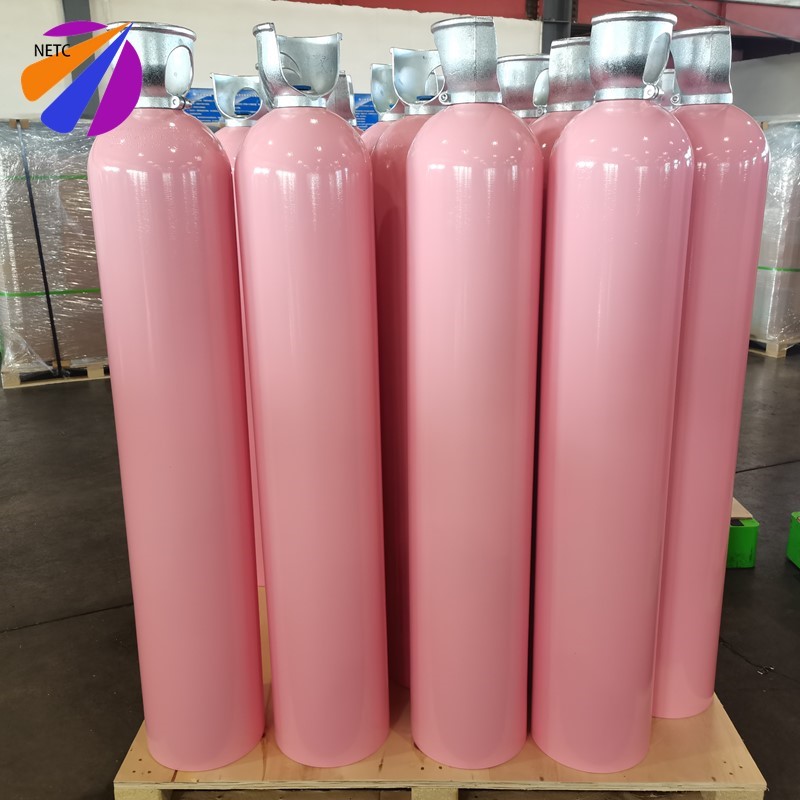

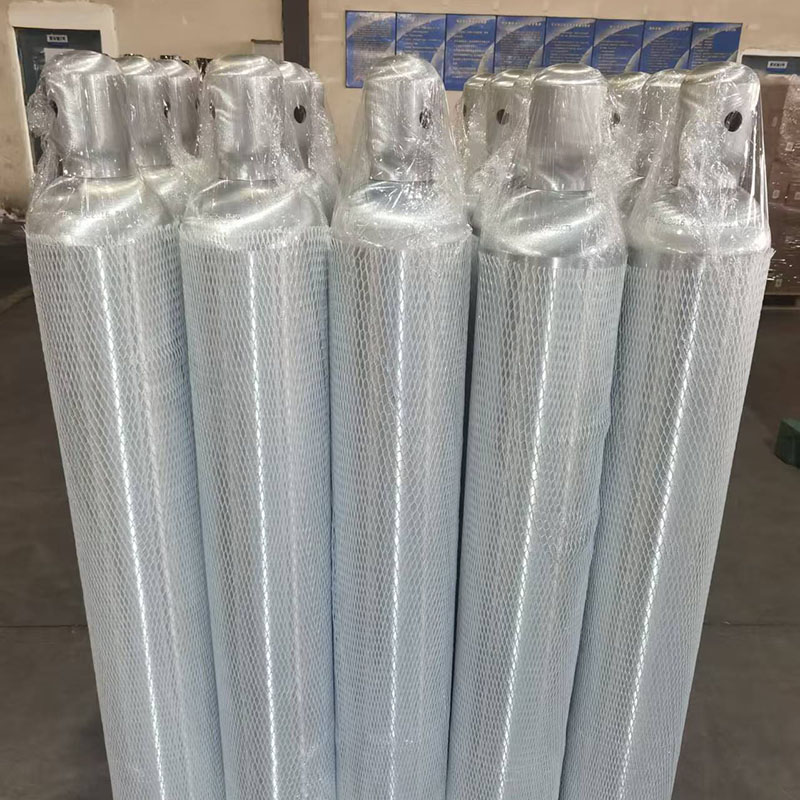
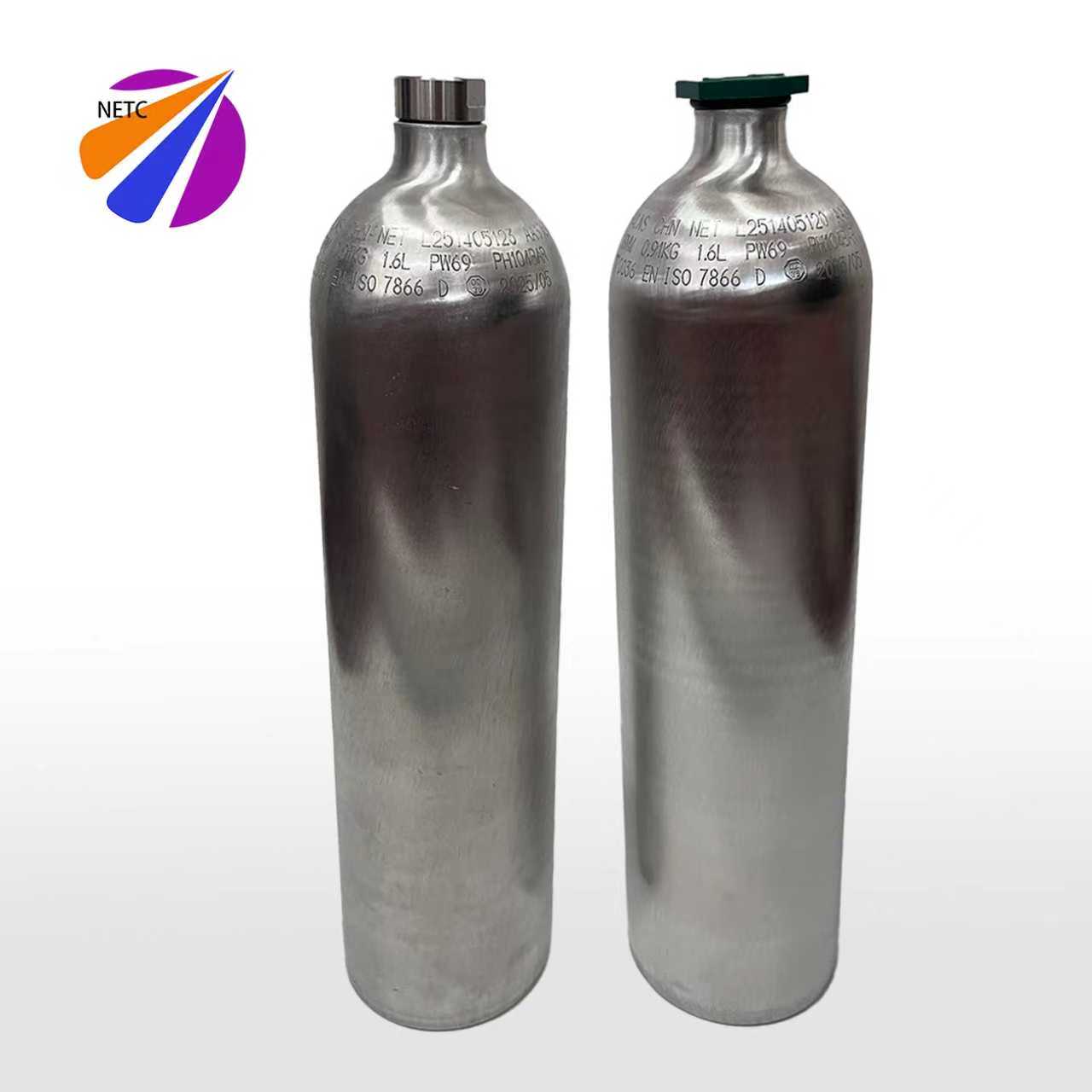
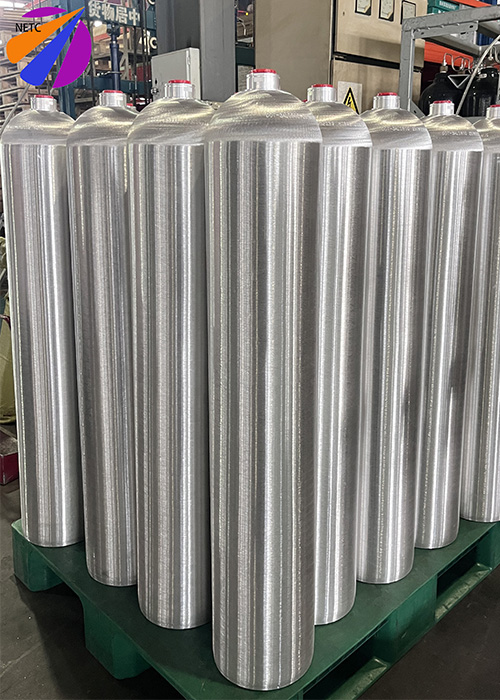
In sectors such as global industrial gases, medical respiratory care, and food & beverage, high-pressure gas cylinders serve as critical storage and transportation equipment. The choice of material directly impacts operational safety, costs, and long-term benefits. Although traditional steel cylinders long dominated the market, the rise of aluminum alloy gas cylinders is driving an upgrade in industry standards with their significant technological advantages. As an advanced representative in the aluminum alloy gas cylinder industry, NETC, through continuous innovation, fully illustrates the fundamental differences between these two materials and the transformative changes they bring.
Traditional steel cylinders face numerous challenges during long-term use due to their material properties. Their higher material density results in greater weight, consuming considerable manpower and transportation resources during handling, turnover, and logistics. Moreover, humid or corrosive environments can more easily lead to cylinder wall rust, potentially compromising the purity of the stored gas. These factors have driven the industry to seek superior solutions.
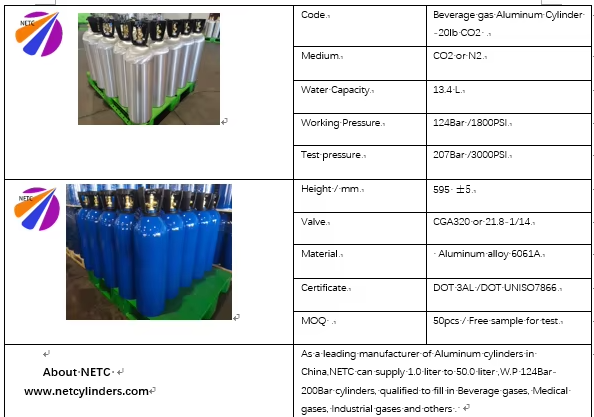
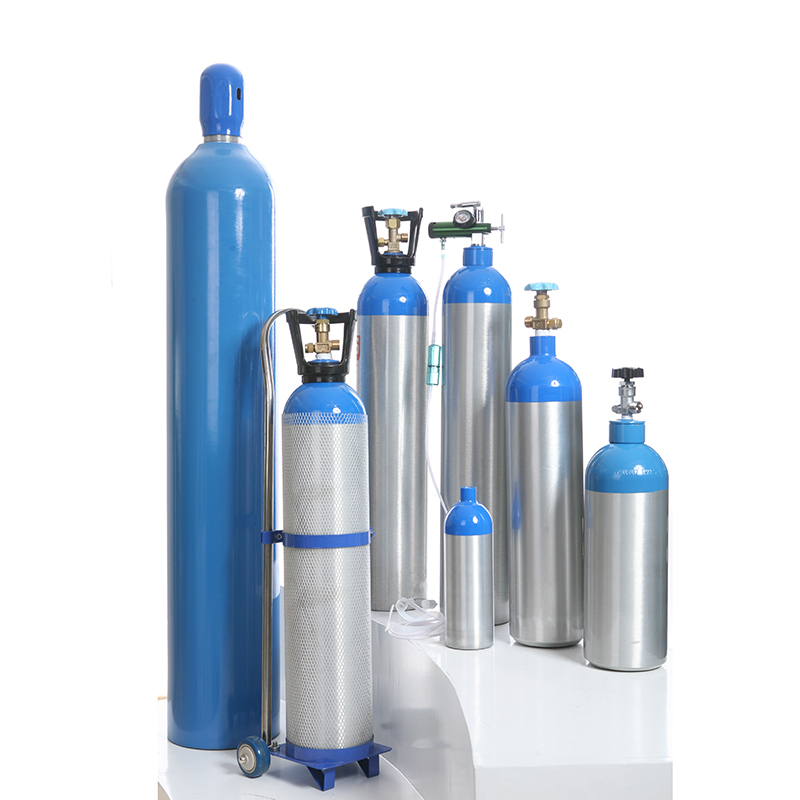
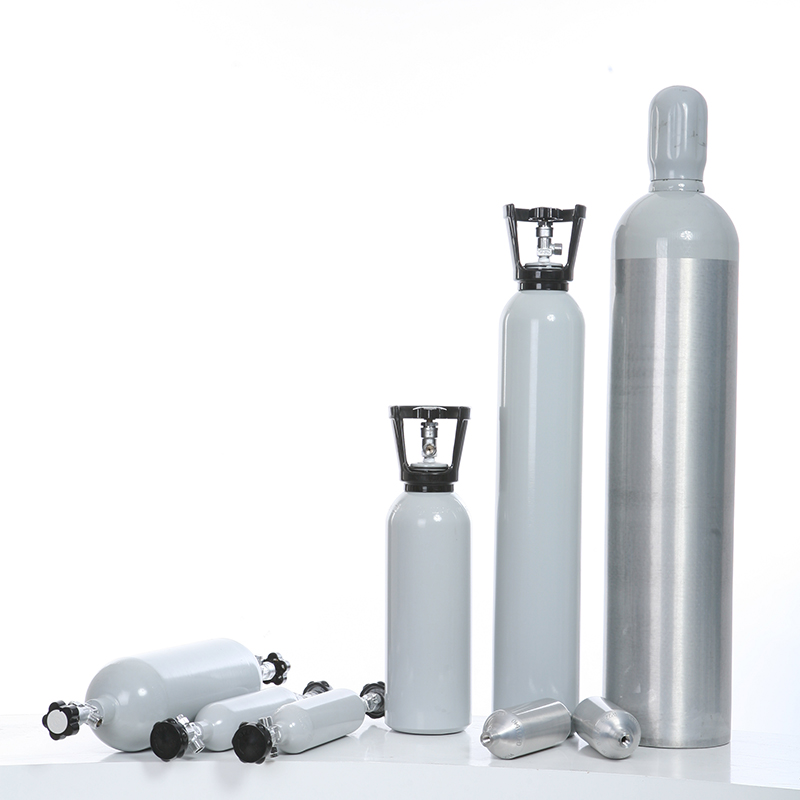
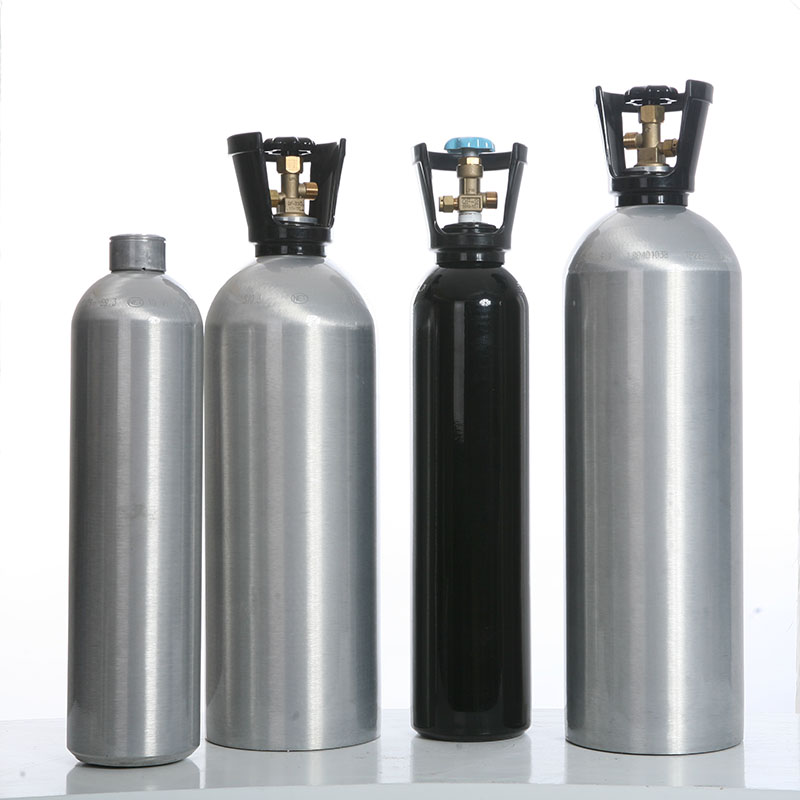
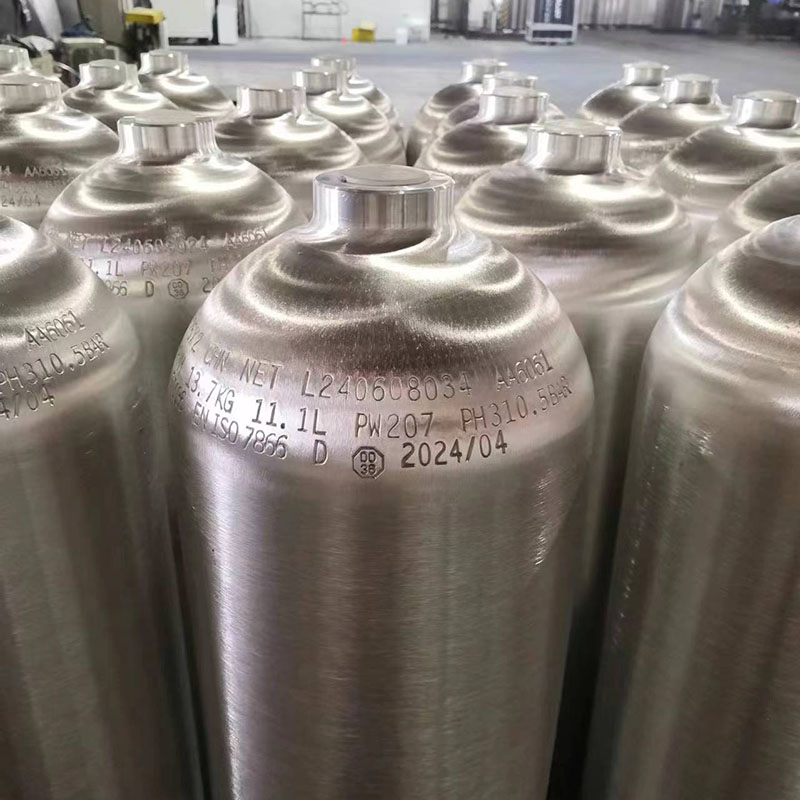
It is against this backdrop that the technical advantages of NETC's aluminum alloy gas cylinders have become increasingly prominent. Cylinders manufactured from high-strength AA6061 aluminum alloy achieve significant weight optimization while maintaining equivalent pressure-bearing capacity. This lightweight design not only substantially reduces handling effort and enhances operational safety but also directly lowers transportation energy consumption, delivering considerable long-term operational benefits for enterprises.
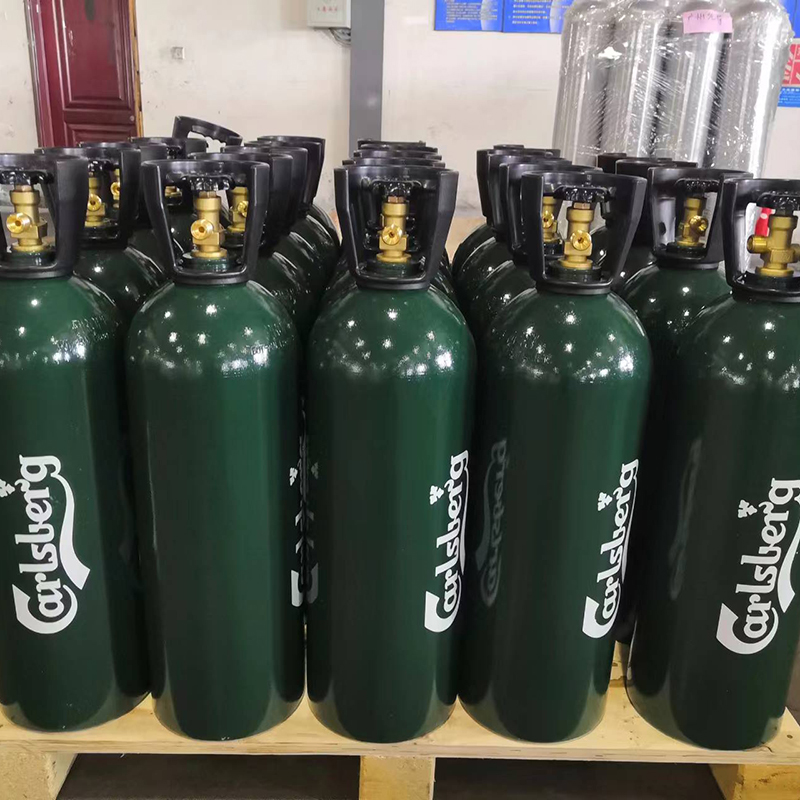
More crucially, the aluminum alloy material provides the cylinders with exceptional corrosion and rust resistance. Through special surface treatment processes, a stable, dense protective layer can be formed on the inner wall, effectively resisting erosion from various media. This ensures the purity of the stored gas—whether it's ultra-high-purity electronic specialty gases, medical respiratory gases, or food-grade carbon dioxide—remains uncompromised. This characteristic holds irreplaceable value for fields with stringent gas quality requirements, such as semiconductor manufacturing, medical anesthesia, and beer carbonation.
From a full lifecycle perspective, the comprehensive advantages of aluminum cylinders become even more apparent. While the initial material cost may be higher, their longer service life, lower maintenance requirements, and higher material recycling value collectively contribute to significant long-term economic benefits. Simultaneously, the optimized energy consumption during the manufacturing and use of aluminum cylinders aligns deeply with the goals of global industrial sustainable development.
As a reliable partner in the global gas industry, NETC's product line comprehensively covers core fields including medical, industrial, and food & beverage. The company strictly adheres to international standards such as DOT 3AL, ISO 7866, and GB11460. Each cylinder represents the perfect fusion of materials science, precision manufacturing, and safety engineering. Today, the choice between aluminum and steel cylinders is no longer merely a matter of material; it is a comprehensive consideration of safety, operational efficiency, gas purity, and commitment to sustainable development. NETC's aluminum alloy gas cylinders, with their technology-driven high performance, are redefining the standards of reliability for high-pressure gas storage and transportation, providing forward-looking solutions for clients across global industries.